
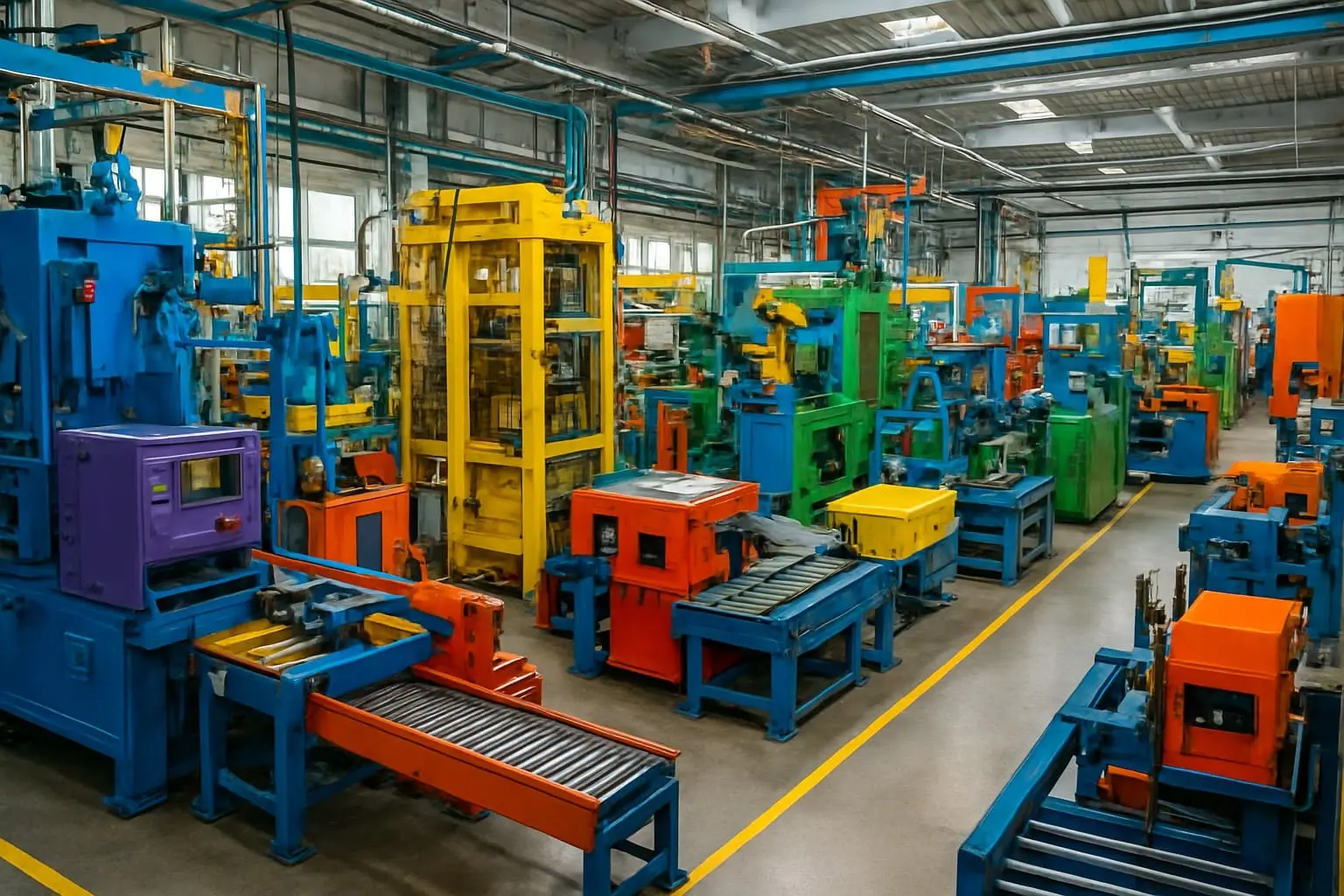
Participating in an industrial equipment auction can be rewarding for you in many ways. For buyers, it’s the most cost-effective and reliable gateway to access industrial machinery. The goods get checked through multi-layered assessment tests before being lifted onto the auction table as an insurance of their quality. For sellers, in harvesting the full possibility of such arrangements, a prior education in the auction process, effort to evaluate the market, and ideation of logistics and promotional framework will provide a distinguishable leverage.
Your preparation will fill up all the slippery pitfalls and increase the chance of getting lucrative bids. If you are considering an auction to sell a piece of heavy equipment, this guide will ensure that you prepare for the best outcome.
Understand the Auction Process
Starting your preparation by learning the phases of an auction will help formulate strategies for success. It includes registration, presentation media, bidding, logistics, and payment processes.
Take note that these processes may follow a similar framework for most auction service providers, but policies, compliance rules, and regulations will vary. Look into the types of such services and how they work. Slightest mistakes on the auction day may lead to cancellation or postpone.
To have a quick and comprehensive grasp of the system, take a multichannel approach: read blogs, watch videos, and consult professionals. Knowing the appraisal and assessment processes inside out will channel your attention to only the factors that matter. So your priorities will be fixed.
Conduct Market Research & Valuation
A thorough market research to understand the factors that drive an equipment’s price will be beneficial in many ways. The best practice would be to note down information like what sets sellers’ expectations and what parts of the equipment they choose to spend on.
Be specific while picking equipment of similar types or models for comparisons, and how a product’s age, usage hours, and condition determine its market demand. A proper research done carefully will:
- Show the price depreciation over the course of use
- Help segment products by means of price, popularity, and condition
- Pin the regional impact on a product’s price
- Locate popular auction houses near your residence
Deep Clean & Detail Equipment
Rusts, corrosion, and heaped dust on the surface are usual cases after years of providing service. It can work as a major turn-off for buyers if they see those instruments in such conditions.
In addition, it’s a general compliance criterion for many auction houses to list products that are only in good health and neat-looking. To achieve that, consider a thorough cleaning approach.
Exterior Washing and Rust Treatment
To get the most effect, while removing stacked elements, ensure the prevention of future make-ups and decay. Industrial practices for exterior washing are:
- Pressure Washing: Professional cleaners use water hoses to blow with a pressurized water stream. The general guideline is to start from the top from at least 2 feet away, and gradually move downward.
- Rust Treatment: Several techniques are available for striking off rust. Using industrial sandpapers, despite a manual process, is the most popular way to scrape off rust piles. But you can also apply wire brushing, chemical agents, and electrolysis.
Interior Detailing
Cleaning the inside requires a more subtle approach. The process doesn’t differ much from those used for surface cleaning. But extreme water pressure, harsh sandpapers, and corrosive elements are replaced with mild alternatives, like air blowers, microfiber towels, and detergents.
Cosmetic Touch-Ups
After a heavy wash, a fine polish reintroduces the color and glow, while covering minor spots, folds, and scratches. For painting, get rid of the dirt and rust first, and choose sprays over liquid emulsions for a lasting effect.
Perform Necessary Maintenance & Repairs
Does the equipment you are to sell function smoothly? Noises, stammers, and excessive shaking, these symptoms signal internal damage. Such conditions score poorly in performance assessments and lead to a price that may fall below your expectations. Cautiously look into the following factors:
Critical and Cosmetic Repairs
Critical issues are any discrepancies in functions and performance. They may initially look nothing but innocuous, but they can quickly turn into liability risks and safety hazards. Malfunctions, leakages, jammed transmissions, and breaks are prevalent among these types. In most accounts, repairing them involves professional services.
In contrast, cosmetic issues are about faults in the exterior structure that don’t affect functionality. For subtle damages or warps on the bonnet or wear, most time a replacement and repainting do the job.
Repairs Essential to Maximize ROI
Some repairs may be cost-heavy, while won’t add much to the resale value. A smart investment will be made upon factors that will multiply the expense in gains. Consider:
- Repairing easily visible faults: worn-out tires and dripping leaks
- Keeping away from major part replacements
- Painting the chassis and replacing the glasses to bring fresh sparkles
Documentation of Repairs
Keeping logs of any changes made to the machine due to its maintenance has several benefits. They reflect the owner’s seriousness in taking good care of their instruments. They can also reassure a buyer about the condition of key parts, like engines, brakes, and livers. With a satisfactory repair log, you can demand a high price.
Proper Documentation
Pre-auction paperwork, if done right, will accelerate the listing process by demonstrating that your gears are authentic, kept well, and ready for sale. A full-proof, comprehensive record does more than answer generally asked questions by the buyer. They certify the time of use, the current condition, and the possibility of future use. In an ideal scenario, you will be able to provide these papers:
Service and Maintenance Logs
Every nuance of your effort to keep your gears in a workable condition. These can be handwritten logs or spreadsheets that show trackable repair and maintenance history. Usually, they will note data, like date, type of services, reasons, and costs.
Ownership Documents
These are papers that back your claim of ownership and purchase. Certain company authorizations may also fall into this category as proof of the originality of the equipment. Notable examples should be:
- Registration or Title paper
- Bill or Invoice
- Warranties
Reports, Certificates, and Manuals
Further demonstrations of the viability of the instruments, such as helpful guidebooks and monthly or yearly audit reports, will instigate a high bid. In your file of submittables, add:
- Manuals: Official operatives and maintenance directives
- Inspection Reports: Calibration and safety report of engines, hydraulics, and emissions
- Compliance Certificates: Approval from OSHA, ISO, or CE
Create High-Quality Visual & Written Assets
Buyers adore clear images and high-quality videos of your machinery in action. It lets them trust in your products without conducting thorough inspections. While hiring a photographer will be a worthy investment, keeping a few details in mind, you can record expository visual details by yourself. Focus on:
- Covering every angle: front, rear, sides, interior, and underneath
- Selecting places with a good supply of light
- Using contrasting backgrounds for highlighting fine details
- Capturing the sounds of the engine at staring and when turned off in videos
- Adding live commentary on different parts
Hiring a copywriter to write brochures or leaflets explaining the benefits of the working parts will work both as a description and a marketing piece.
Select the Right Auction Partner
The right auction partner will make all the difference in making the most ROI. A popular company, like Jones Swenson, which has a massive following and connections, drives a higher number of audience. This means more bidding and more returns.
Jones Swenson has been active in the market and following a regular schedule. Our proficiency, garnered from years of experience, gives you the chance to sell quick, without the hassle of extra negotiations and stress over staging and presentation. As we provide an all-inclusive service, making the list is your only responsibility.
Pricing Strategy
The right price will mediate between your, and the buyers’ expectations. The starting bid shouldn’t be too high to kill the interests of the audience. An unjustifiably high reserve price may also drain out their enthusiasm. The resale market for industrial machinery is greatly influenced by supply and demand projections based on seasonality, the global economy, and trends. While setting a price, consider:
- Identifying your bottom line (least reserve price)
- Hiring an expert for an accurate appraisal
- Consulting experienced auctioneers
- Researching contemporary trends in the niche sector
- Bundling giveaway values, like a free shipping or appliance kit
Plan Logistics for Inspection
It’s only logical that inspection involves several key parts of an auction process to prioritize transparency. From cataloging to the knockdown, products go through multi-layered assessments. Representatives from auction firms and buyers may want to check the instruments in person or virtually.
Your inability to promptly respond and arrange an inspection session may result in missed schedules and after-sales disputes. A planned logistics will address such situations beforehand, by:
- Showcasing the machinery at a site near the auction venue
- Graphics, internet connection, and devices for virtual inspections
- Booking transportation for delivery before the removal deadlines
- Appointing a salesperson to describe products in virtual sessions
- Arranging commutes if the site is located in a remote zone
Promote Your Equipment Listing
Reselling is competitive. There will be other sellers with the same equipment distracting your audience. Moreover, think of all the prospects in the nearby locality who don’t know you have just the instrument they need. A pre-auction promotion helps in capturing attention, earning trust, reaching more buyers, and ultimately creating a competitive advantage. A full- scale promotional approach will include:
- Posting on authoritative reviews and salvage platforms
- Hiring professionals for targeted email campaigns
- Running ad campaigns on popular social media
- Writing handbills and mass distribution
- Highlighting selling points, like brand names and strong features
Closing the Deal
When the gavel falls, it only closes the bidding, not the sale. A successful sale closes with a secured transaction, document handover, product delivery, and dispute settlement. In addition, there can be compliance checklists maintained by auction houses to ensure buyer satisfaction and motivate future participations. To fall in alignment, you should:
- Choose an easy and secure payment gateway
- Ready papers to swap the ownership
- Secure documents for TAX and VAT
- Take part in logistics, packaging, loading, and transportation
- Deliver essential manuals, reports, and certifications
- Receive and store invoices and selling confirmation documents
Conclusion
The first step to reselling heavy equipment is to make the decision. The following responsibilities on the buyer’s side mostly revolve around preparing for the auction. Without a systematic and step-by-step approach, even signing up for a good arrangement will be challenging. An auction greatly differs from other reselling methods. Despite many benefits, the process requires prior understanding.
Having the market researched, instruments cleaned and repaired, price appraised and set, and proper logistics arranged will influence the maximum profit. When every preparation checklist is marked, finding a trusted, popular, and experienced auction house, like Jones Swenson, will cement the ultimate success.
Ready to explore your auction options? Contact Jones Swenson Auctions at (512) 261-3838 or visit Jonesswenson.com for a free, no-obligation consultation.
Frequently Asked Questions
1. What documents do I need?
Having official documents, like manuals and warranty details, repair and service logs, and calibration reports, will help in registration, appraisal, and the sale enclosure.
2. Should I repair before an auction or sell “As-Is”?
A repair call depends on the condition of the equipment in question. Vital parts should be checked for damage and repaired before the auction.
3. How far in advance should I start preparing my equipment for an auction?
A rushed preparation may leave crucial points unaddressed, only catalyzing hassles later. Take time and make sure that there is nothing more to be done to improve the performance and increase the price before getting a schedule.
4. Is professional cleaning worth the cost?
Yes. Professional cleaning services have industry-grade setups and supplies to clean rigid dust, rust, and streaks. They also provide renovation services, like smudge and tamper adjustments and painting.
5. How to choose between online vs. live auctions?
Online auctions are outstanding for their wide audience reach, convenience of virtual showcasing, and low-cost settings. Whereas live auctions benefit participants with transparent communications and physical assessments.
What’s the best way to increase bidder interest in my equipment?
Strategies, like customer segmentation, understanding buying motives, faults and damage repair, and authoritative auction house selection, will increase the chance of attracting the most relevant buyers.
Will I need to transport my equipment to the auction site?
Selling via a live auction session requires an on-stage presentation to allow the audience to tactically inspect the items. So it’s a general obligation to transport the equipment to the site.
Can I sell multiple pieces of equipment in one auction?
Yes. You can sell multiple products in a single session after they pass the initial assessments for quality and performance.


